

A retail display is the visible result. The less visible advantage is the management system behind it: knowing where environmental impacts and material risks originate, and turning that knowledge into practical supplier controls.
On Saturday, November 7, our Shanghai team met with a client from Canada to discuss packaging requirements for Costco projects looking ahead to 2027. The conversation covered PDQ display packaging, material chemical controls and digital design. For Nanozeo, the significance went beyond a successful design discussion. It showed how life-cycle thinking can connect commercial requirements with the decisions made every day by designers, purchasers and factories.
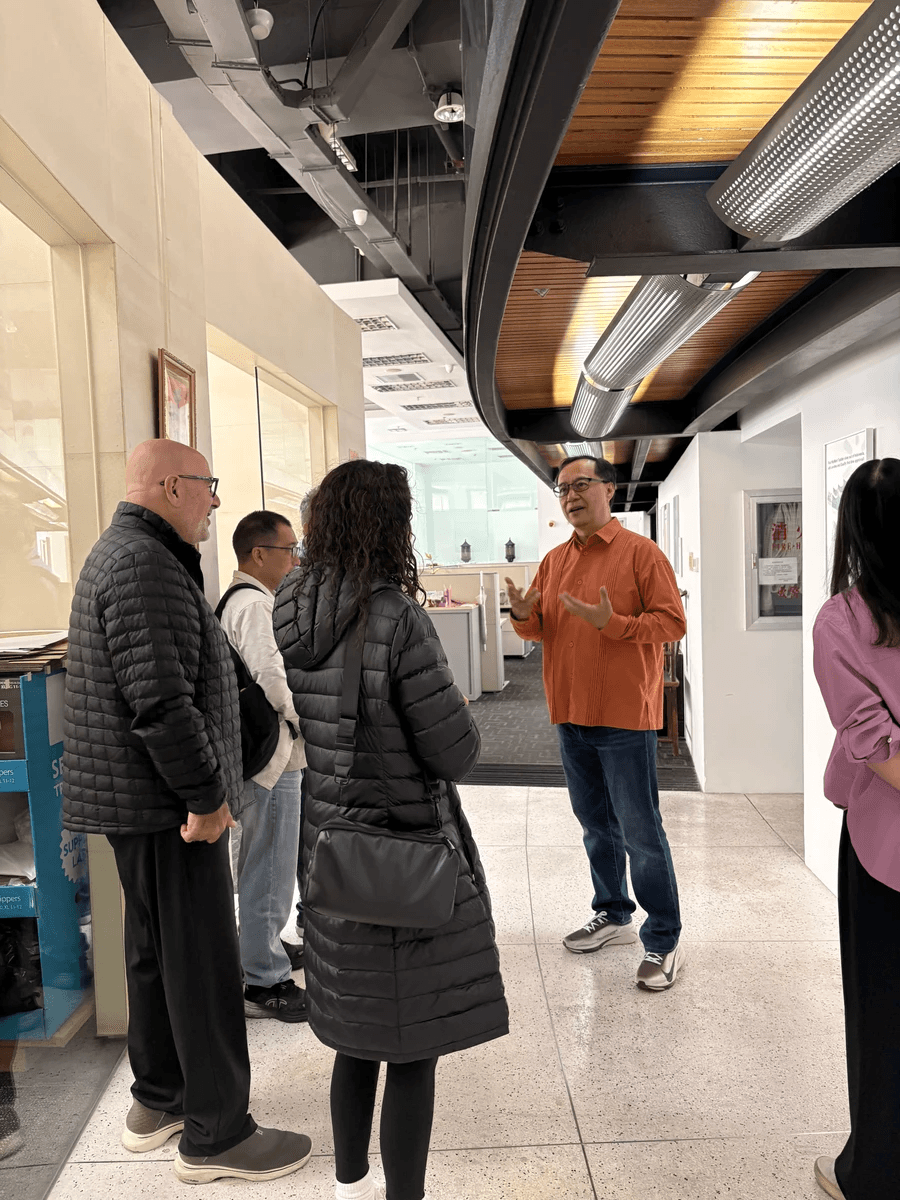
ZEO PDQ presents the customer-facing result: a display that must protect products, perform in distribution and work on the retail floor. Nanozeo’s role reaches further upstream. As a dedicated technology company within CJCHT Group, we connect materials development, LCA methodology, data preparation and supply-chain implementation.
Our starting question is not simply, “Can this package pass a test?” It is, “Which materials, processes and suppliers determine the result—and what evidence do we need to manage them?” That changes sustainability from a final reporting exercise into an operating discipline.
Sales translates the buyer’s needs; design defines the structure and bill of materials; sourcing confirms material specifications; factories manage production and changes; and the technical team connects environmental data, testing requirements and review. The value comes from these functions working together before problems reach the finished product.
Life Cycle Assessment (LCA) helps us examine the potential environmental impacts associated with materials and processes across a defined product system. Instead of looking only at a final carbon number, we can examine which inputs and stages contribute most, identify data gaps and prioritize where supplier engagement will be most useful.
For packaging, the questions may concern paper and board production, material weight, energy used in converting, printing and finishing, adhesives, transport, or end-of-life assumptions. The relevant priorities depend on the actual product, study boundary, impact-assessment method and quality of the available data.
Carbon is one dimension—not the entire environmental picture. Where the study scope and supporting inventory allow, other environmental impact categories can help reveal trade-offs that a carbon-only comparison would miss. A lighter design, for example, still needs to meet strength, protection and handling requirements. A material change should be evaluated against the function the packaging must deliver, not only its weight.
A useful model therefore supports a management decision: which supplier needs better information, which process needs investigation, and which design alternative deserves testing. It is not simply a number to put in a presentation.
3. Keep environmental hotspots and chemical compliance connected—but distinct.
Environmental assessment and material chemical controls inform one another, but they are not interchangeable. An LCA model can identify potential impact hotspots; it does not detect the chemical content of a sample or establish that a material meets a restricted-substance limit.
For packaging projects, source-risk screening must also consider the buyer’s current material specifications, supplier declarations, formulation or composition information where appropriate, and relevant laboratory evidence. Paper sources, coatings, inks and adhesives need clear specifications and traceable records. When testing is required, the applicable test method, sample and acceptance criteria must be confirmed for the particular project.
A lower modeled footprint is not proof of chemical compliance. A passing chemical test is not proof of a lower life-cycle footprint. Managing both requires a coordinated evidence chain, with each type of evidence used for its proper purpose.
4. Turn buyer requirements into a repeatable supplier workflow.
Our practical approach is to translate requirements into controls that factories can maintain—not leave them as a checklist attached to a report.
- Define the requirement before design and quotation. Confirm the product application, buyer documents, material restrictions, performance expectations and requested environmental information. Record the version and the responsible contact.
- Build a traceable material and process baseline. Connect the bill of materials to material grades, weights, sources, production steps and supporting records. Distinguish supplier-specific primary data from background or proxy data, and document assumptions and gaps.
- Prioritize hotspots and source risks. Use LCA results to focus environmental improvement work, while separately screening materials and suppliers against the relevant chemical and performance requirements. Assign an owner and an evidence requirement to each issue.
- Validate the proposed solution. Check the model and data, evaluate design alternatives, and coordinate the required sampling, testing or independent review. Formal verification or certification remains with appropriately qualified organizations under the applicable scheme.
- Maintain control when production changes. Track changes in suppliers, formulations, specifications, weights and processes. Assess whether an update requires revised calculations, new supporting information, re-testing or buyer approval before the changed product is supplied.
This is the difference between collecting a report once and building a supply chain that can continue to answer the customer. A familiar material name is not enough if its source, formulation or manufacturing conditions have changed.
5. Connect data to people who can act on it.
A database does not improve a factory on its own. The people interpreting the data must understand the product, the production process and the buyer’s decision. Nanozeo combines LCA and database capabilities with the CJCHT ecosystem’s practical experience in materials, packaging and supplier engagement.
That connection helps us ask more useful questions early: Is the material quantity consistent with the product structure? Does the selected background dataset represent the actual technology and geography? Is a supplier declaration supported by the right product and period? Who will close the gap, and how will the result be recorded?
Our role is to organize knowledge, apply the appropriate methodology and help suppliers prepare reliable evidence. Where a buyer or scheme requires independent testing, verification or certification, we coordinate with suitable professional partners rather than treating internal review as a substitute.
6. From a weekend meeting to product advantage.
The Shanghai meeting brought together the capabilities that customers increasingly need in one conversation: commercial understanding, product design, materials sourcing, manufacturing, environmental assessment and certification coordination. Our Putian team also reported progress from a separate customer meeting that day—a reminder that this capability has to work across sites, not only in a single presentation.
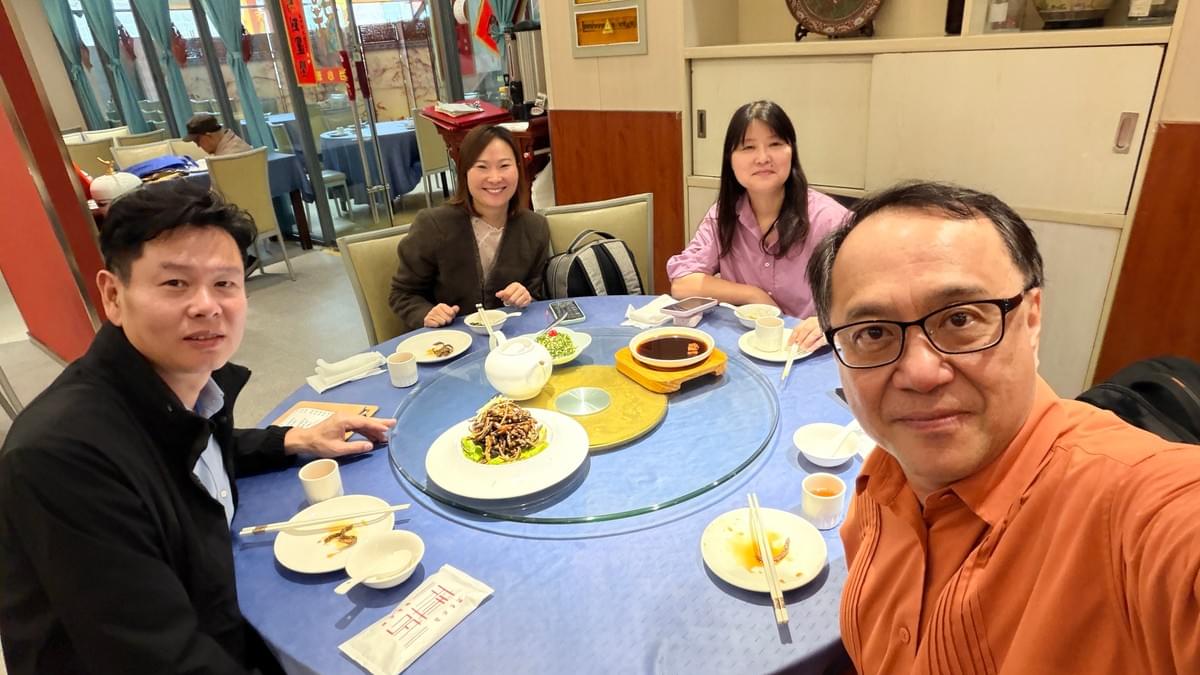
After the meeting, the Shanghai team shared lunch at Xinyuan and looked ahead to new cooperation opportunities. Behind that ordinary team moment was a meaningful shift: sustainability was no longer sitting outside the business. It was becoming part of how the team develops products, supports factories and earns customer confidence.
Good teams do more than deliver today’s order. They help the supply chain prepare for the requirements the customer will ask about next.
For Nanozeo, that is the larger story behind PDQ: using life-cycle evidence and practical compliance controls to strengthen products, support suppliers and build long-term market readiness.
Start with one product and one clear requirement.
If you are a brand, sourcing team or manufacturing partner preparing a retail packaging project, share the buyer’s current requirements, a representative product BOM and the available material and process records. We can help identify the data gaps, environmental assessment priorities and supplier actions needed for the next step.
Contact Nanozeo: raymond@nanozeo.com
This article describes Nanozeo’s approach and recent project discussions. It is not an official Costco policy announcement or an assurance of retailer approval. Project-specific requirements, testing and acceptance must follow the buyer’s current formal documents and applicable standards. LCA findings depend on the stated scope, methodology and data.
────────────────────────
Further Reading | The Project, the Product and the Supply Chain
Explore the same story from our product and regional supply-chain perspectives:
- Nanozeo.cn | Preparing China’s Supply Chain for Costco 2027 Packaging Projects — Simplified Chinese; practical preparation for partner factories.
- ZEO PDQ | From Design to Shelf for Costco and Major Retailers — the display-packaging and delivery perspective.
- ZEO PDQ | One Step Ahead: Preparing Retail Packaging for Costco’s 2027 Standards — the Shanghai customer meeting and integrated team capabilities.
- Nanozeo.com.tw | One Step Ahead: Preparing for Costco 2027 Packaging Requirements — Traditional Chinese coverage.